
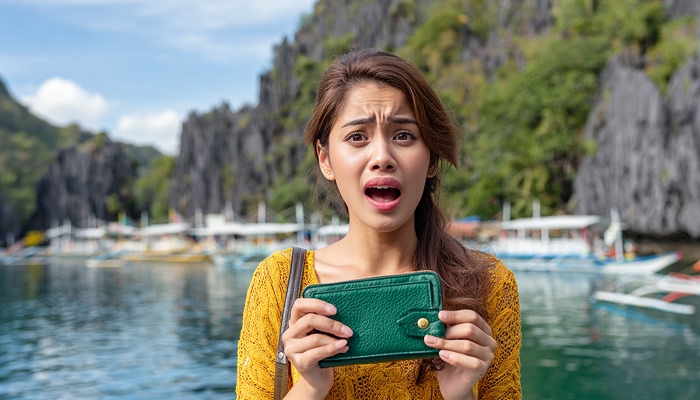
We’re here to break it down with all the honesty and clarity a traveler deserves. No matter if you’re about to cross the islands off your bucket list for the first time or returning for another dose of postcard-perfect paradise, here’s everything you need to know about Philippines travel safety in 2026.
Is the Philippines Safe for Tourists?
In a nutshell, yes – but just like in any place, with some common-sense precautions. The country welcomes plenty of international visitors each year, and most trips go off without a hitch. But of course, the risks remain – some avoidable, some natural.
Popular destinations like Manila, Cebu, Bohol, and Palawan are considered low-risk and secure. These areas thrive on tourism, which means good infrastructure, a strong local hospitality culture, and well-maintained peace and order.
On the flipside, some parts of Mindanao (particularly the far southwestern provinces), still face occasional security concerns related to local unrest. While not off-limits, these areas are to be approached with more caution.
Common Safety Concerns
Petty Crime and Scams
In urban hubs like Manila and Cebu City, petty crimes and minor scams can happen – especially in busy places like markets, recreational areas, or bus terminals. It’s important to keep your belongings close and be aware of your surroundings at all times.
Common scams to watch for:
- Overpriced taxi rides (use Grab or metered taxis)
- Fake tour guides or boat trips (book with verified agencies)
- Distraction techniques (a spilled drink → a missing phone)
- Card skimming at some ATMs (stick to machines at banks)
Tip: If it feels off, it probably is. Trust your gut and walk away from any situation that feels uncomfortable.
Natural Disasters
The Philippines sits in the Pacific’s “Ring of Fire,” so earthquakes and volcanic activity are part of the deal. It’s also prone to typhoons, especially between June and November, though the exact timing can vary.
The good news is that the country has solid disaster response protocols. Just make sure to check the weather forecasts, get a travel insurance covering weather-related disruptions, and download a local emergency alert app (like PHIVOLCS or NDRRMC) for peace of mind.
Health and Medical Considerations
New places, new adventures… and sometimes, new germs your body’s not used to. Take some extra care prior to the trip to stay well and enjoy every moment.
Make sure your vaccinations are up to date. Get some routine shots like Hepatitis A/B, Typhoid, and Rabies.
Mosquito-born diseases like dengue fever do exist – especially in rural or tropical areas. Use repellent, wear long sleeves at night, and stay in accommodations with good mosquito protection.
Tap water? Not recommended. It’s best to stick to bottled or filtered water.
Medical facilities in cities are generally modern and reliable, however in remote areas, hospitals may be limited. Again, travel insurance is a must.
Transport and Road Safety
Getting around in the Philippines is an adventure in itself. Mostly, it’s a mix of modern and chaotic. In cities like Manila, traffic can be a nightmare and roads aren’t always well-maintained.
Here are some on-the-move tips:
- Use ride-hailing apps like Grab instead of flagging taxis
- Always wear a helmet on motorbikes or tricycles
- Stick to reputable companies when it comes to night buses and ferries
- Drive yourself only if you’re confident in hectic traffic
Safety Tips for Travellers
When exploring the Philippines, follow a few basic precautions not to let fear still the fun.
- Carry small amounts of cash but avoid flashing it around. Stick to well-lit ATMs in secure locations like malls or banks.
- Keep copies of your passport and other documents, just in case. Having digital backups in your email is even better.
- In rural and religious areas, dress modestly. It’s a great way to blend in and avoid unwanted attention.
- For ultimate security, know the contacts of local authorities and your country’s embassy.
If you’re traveling solo, especially as a woman, take some extra measures to stay safe.
- Avoid walking alone late at night and share your location with someone you trust for double security.
- Never leave your drink unattended in social settings.
- Choose accommodations with good reviews, join group tours for activities, and always trust your instincts.
Filipinos are famously friendly, and English is widely spoken, so don’t be shy to ask for help.
Safe Places to Visit in the Philippines
The country is vast and diverse, and not all 7,000+ islands offer the same conditions for visitors. Here are four well-developed and traveler-approved destinations to keep on your list:
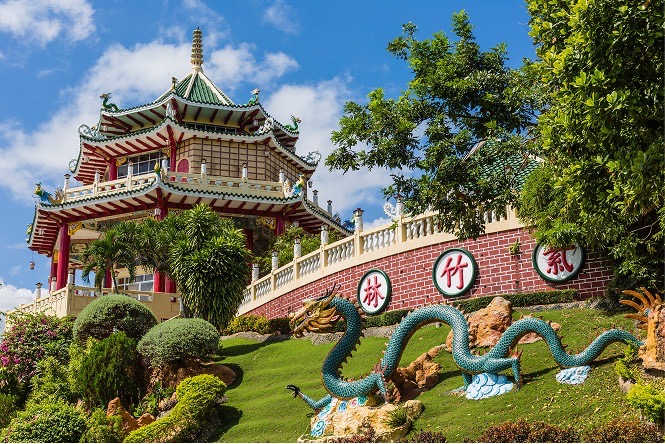
Great for: history, diving, and a mix of city life and stunning nature. You get a bit of everything, with decent infrastructure, travel convenience, and some whale shark snorkling (done ethically, we hope!).
- Bohol
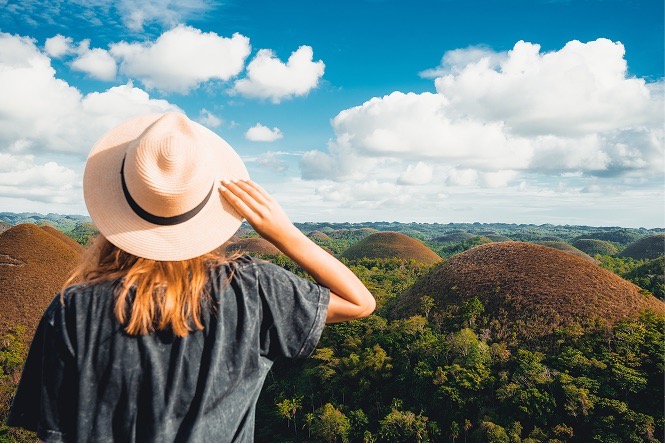
Great for: eco-tourism, chocolate hills, and chill beach vibes. It’s peaceful, family-friendly, and filled with natural wonders like Tarsier Sancturare and Loboc River.
- Palawan
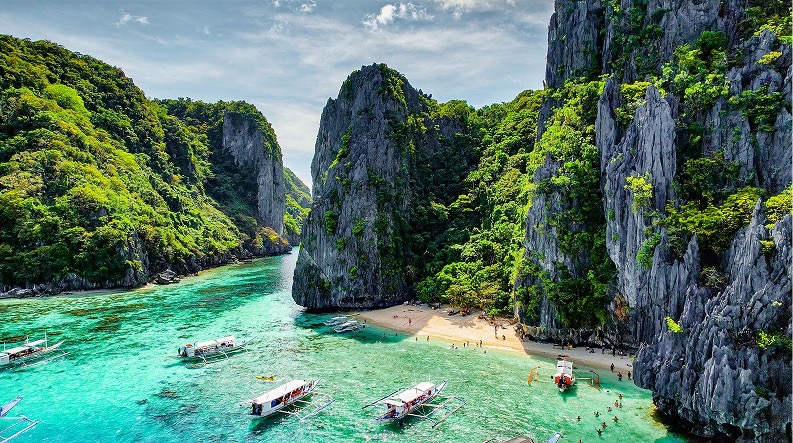
Great for: island-hopping, hidden lagoons, and breathtaking beauty. El Nido and Coron are regulars on global “best islands” list for a reason. It’s remote, yet very tourist-focused and safe.
- Siargao
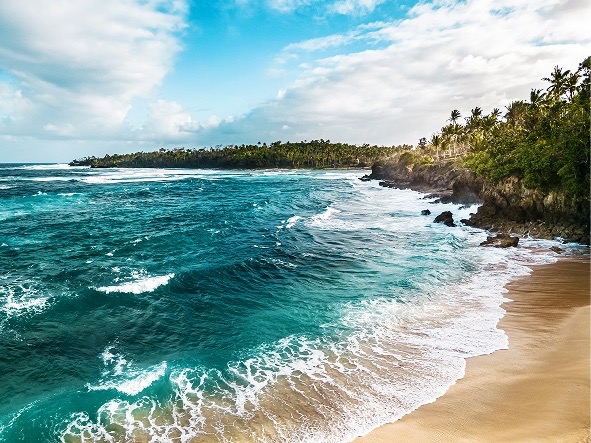
Great for: surfing, digital nomads, and solo travel. Once a hidden gem, it’s small, safe, and has a chill community vibe with plenty of cafes, hostels, and wellness spaces.
Areas to Avoid
As of 2025, most government advisories (like from the U.S. State Department and UK FCDO) still urge caution in western and southern parts of Mindanao, particularly:
- Zamboanga Peninsula
- Sulu Archipelago
- Marawi and surrounding Lanao provinces
While many locals live peacefully in these regions, there have been some insurgency-related activity in recent years. If you’re a bold traveler determined to explore Mindanao, stick to cities like Davao, which is actually very orderly and safe.
Final Word
So, is it safe to travel to the Philippines right now?
Absolutely, with awareness and smart choices. Most tourists enjoy unforgettable, drama-free adventures. The Philippines isn’t just photogenic – it’s full of warmth and real stories waiting to be discovered.
Just remember to check official travel advisories before you trip, and pack that sunscreen – the sun’s just as warm as the people.
Want more travel help? Explore our other guides in the blog.
Here are a few useful resources to check before and during your trip:
- Official tourism site: https://philippines.travel/
- Weather forecasts and typhoon tracking: https://www.pagasa.dost.gov.ph/
- Earthquake and volcanic activity alerts (PHIVOLCS): https://www.phivolcs.dost.gov.ph/
- U.S. travel advisory: https://travel.state.gov/content/travel/en/traveladvisories/traveladvisories/philippines-travel-advisory.html
- UK travel advice: https://www.gov.uk/foreign-travel-advice/philippines
These links will help you stay updated, plan better, and travel with more confidence.