
Time Your Visits Right
The biggest crowds hit between June and August.
If you can, travel in spring or autumn. You’ll still get beautiful weather, but with fewer people and better prices.
Even within a day, timing matters. Early mornings and late afternoons are your best bet for visiting major attractions.
Eat Like a Local
Restaurants right next to major landmarks are often overpriced and less authentic.
Instead, walk a few streets away. Look for places filled with locals, smaller menus, and no one trying to pull you inside.
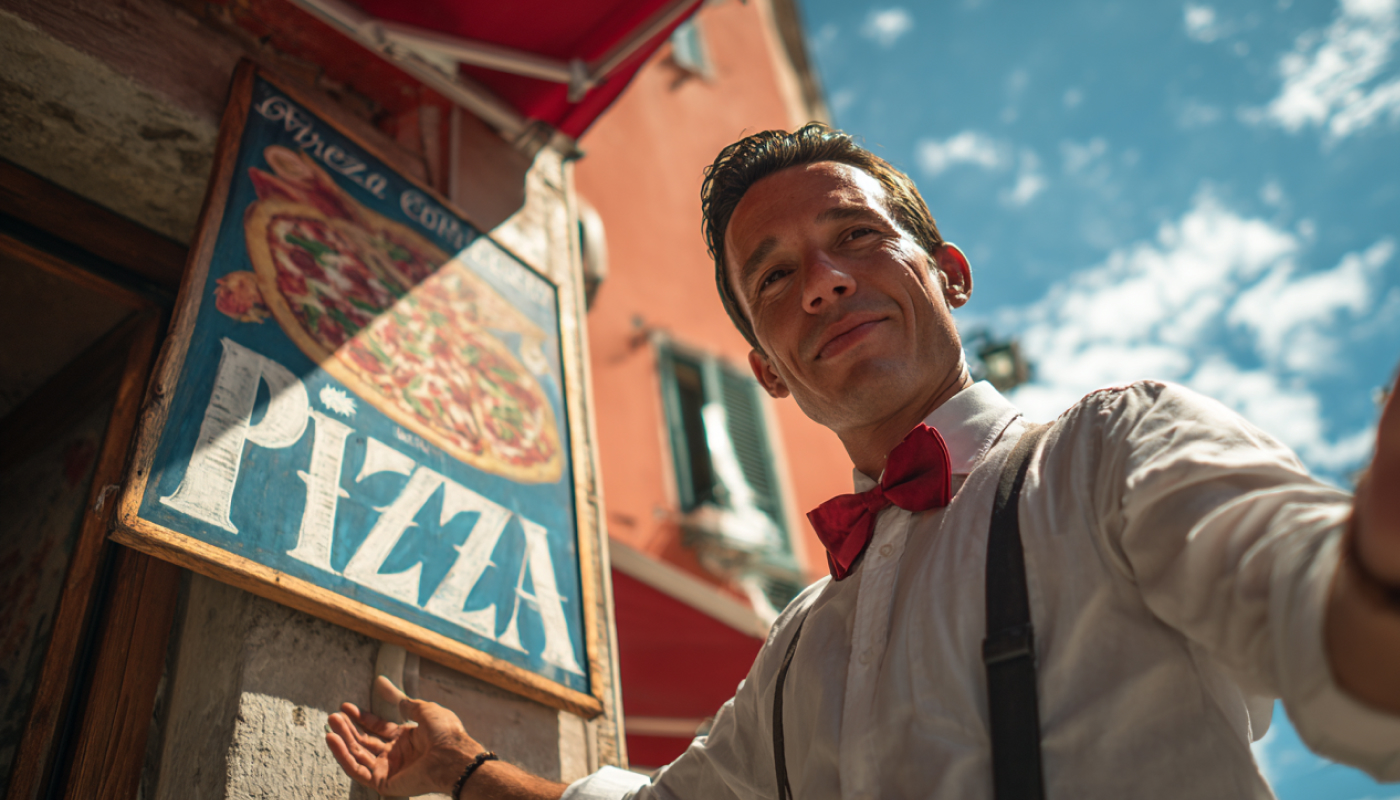
Avoid places with photos of food or “tourist menus” displayed outside – they’re usually a sign of lower quality. If you want a true taste of Italy, try aperitivo hour in a local bar, or sample street food like supplì in Rome, arancini in Sicily, or lampredotto sandwiches – dishes locals swear by but many tourists miss.
Book Smart, Not Fast
Skip-the-line tickets can save time, but don’t overbook everything.
Some experiences are better discovered slowly. Balance must-see attractions with time to wander, sit in a piazza, or explore a quiet neighbourhood.
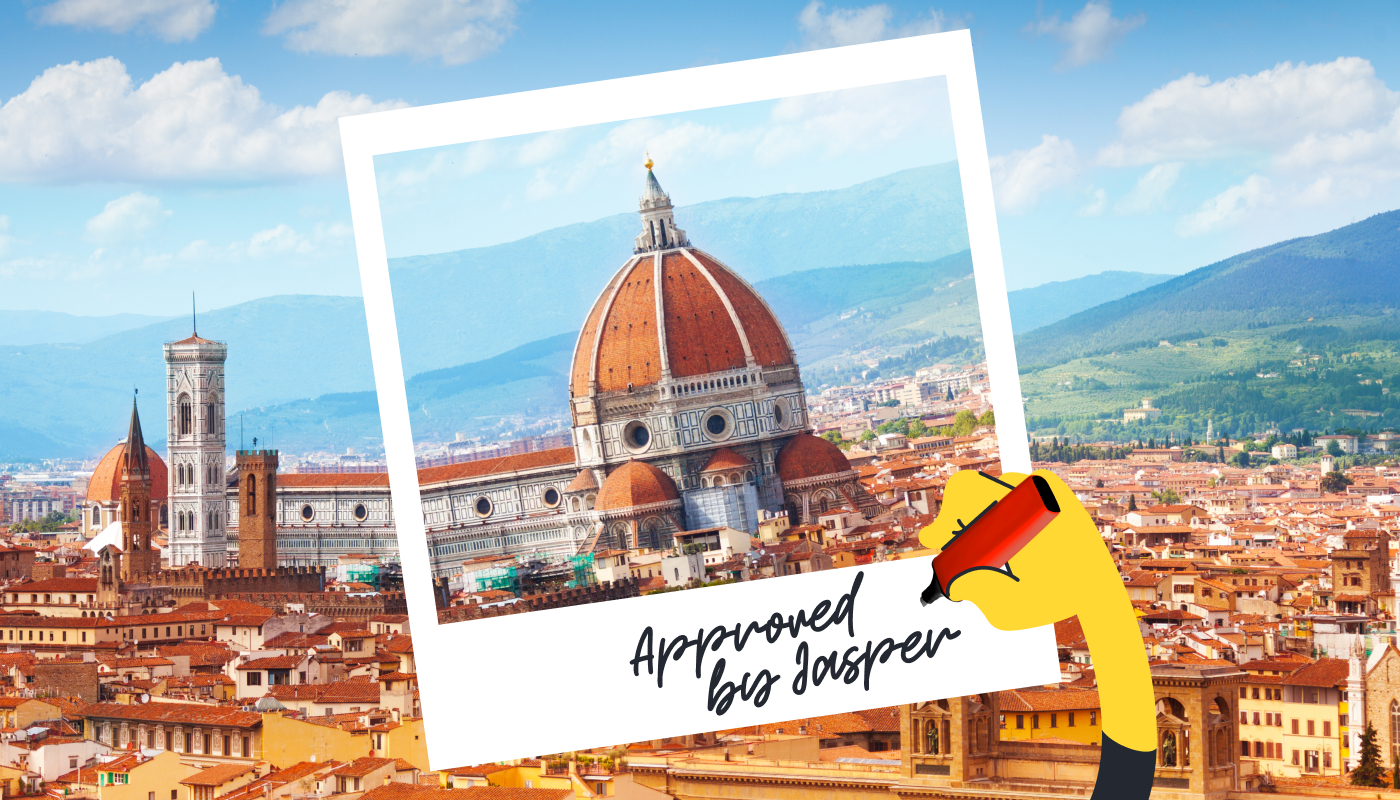
For example, instead of rushing through the Vatican Museums, consider a small-group tour focused on lesser-known rooms or early-morning entrance. Similarly, in Florence, a quiet stroll across the Ponte Vecchio at sunrise can feel more magical than any museum visit.
Be Aware of Common Scams
Pickpocketing can happen in crowded areas, especially near major attractions and public transport.
Keep your belongings close, avoid distractions, and be cautious if someone approaches you with unsolicited help or offers.
Other common tricks include overpriced taxi rides in tourist-heavy cities or street vendors selling counterfeit designer goods. Carry a small crossbody bag, use zip closures, and trust your instincts – locals often notice what looks suspicious before you do.
Choose Different Regions
Italy has so much more to offer beyond Rome, Venice, and Florence.
Exploring lesser-known regions and villages can completely change your experience. Places in regions like Puglia, Umbria, or Le Marche offer beautiful landscapes, historic towns, and a slower pace of life – often without the crowds.
Many of these hidden gems are also recognised as UNESCO World Heritage sites, meaning you still get the same cultural richness and history, just in a more relaxed setting. Think medieval villages, quiet vineyards, and coastal towns where life moves at its own rhythm.
Shop with Intention
Souvenirs can be meaningful – if you choose them well.
Instead of mass-produced items, look for locally made products that reflect the region you’re visiting. Handmade ceramics, textiles, leather goods, and artisanal foods like cheese, olive oil, or spices are not only higher quality but also support local communities.
Local markets are some of the best places to shop. You’ll often meet the makers themselves, learn about the products, and take home something that actually tells a story.
Explore Beyond the Highlights
Italy’s charm isn’t just in its famous landmarks.
Some of the best moments come from small towns, local markets, and quiet streets. Don’t be afraid to step away from the main attractions – that’s often where the magic happens.
Ride a Vespa through the Tuscan countryside, wander the colourful alleys of Cinque Terre villages, or take a ferry to hidden islands like Procida or Ischia. Even a short detour from the usual tourist path can turn into an unforgettable experience.
Ready to Explore Italy Differently?
Italy is best experienced slowly, with curiosity and a bit of flexibility.
Avoid the rush, follow the locals, and you’ll discover a side of the country many travellers miss