
What Makes a Resort Eco-Friendly?
Eco-resorts focus on reducing their environmental impact while supporting local communities.
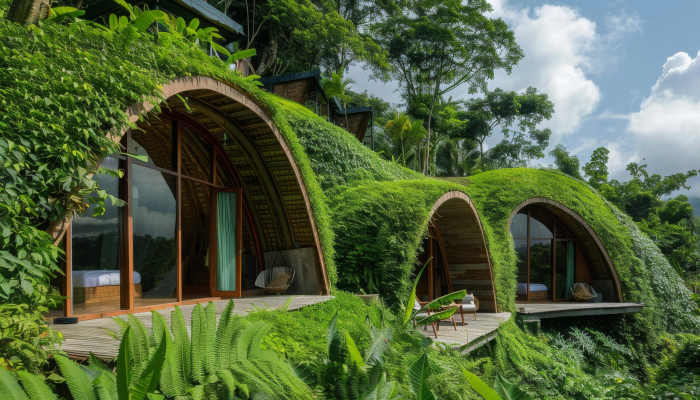
This often starts with how they’re built and operated. Many use renewable energy sources like solar power, minimize water usage, and design spaces that blend naturally into the surrounding environment rather than disrupt it.
Waste reduction is another key factor. Eco-friendly resorts tend to limit single-use plastics, recycle whenever possible, and manage food waste responsibly. You’ll also often find locally sourced materials used in construction and décor, giving each place a more authentic feel.
Supporting local communities is just as important. This can mean hiring local staff, sourcing food from nearby farms, and offering experiences that highlight local culture and traditions.
Many eco-resorts also take part in conservation efforts, whether it’s protecting wildlife, preserving natural habitats, or contributing to environmental projects.
Where to Stay
Ubud – Jungle & Tranquility
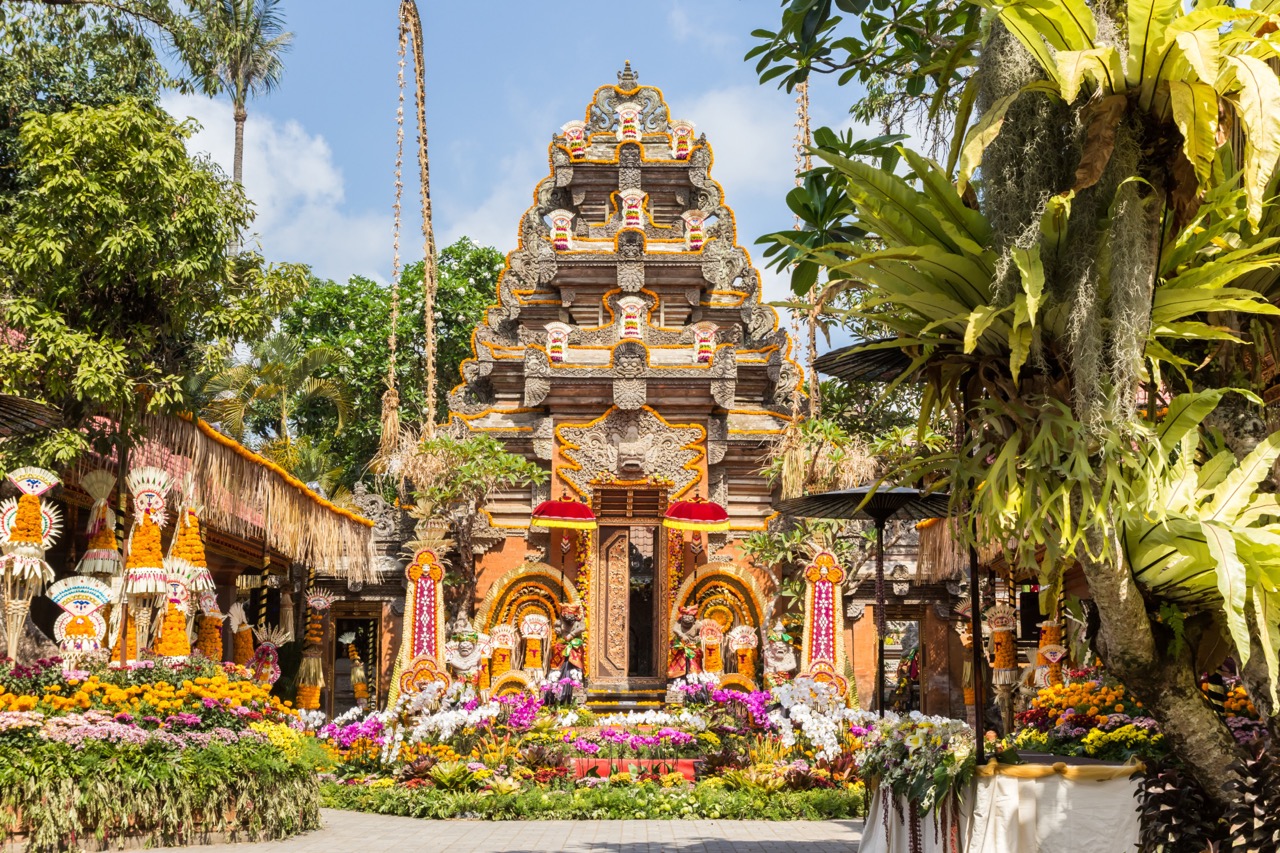
Ubud is the heart of Bali’s eco-conscious scene.
Here, you’ll find resorts surrounded by rice fields and rainforest, often built with natural materials and designed for minimal impact. It’s perfect for slowing down and reconnecting with nature.
Average prices in Ubud vary depending on the season. During high season (July–August, December–January), expect 150–400 USD per night for eco-luxury stays, while mid-range eco-resorts range from 50–120 USD per night.
Well-known eco stays include Bambu Indah, famous for its bamboo architecture and zero-waste philosophy. While Bambu Indah does welcome children, it’s predominantly known as an eco‑luxury retreat with a romantic, adults‑leaning atmosphere, intimate villas, outdoor showers, river settings, and experiential nature focus. It’s especially popular with couples and honeymooners; Mana Earthly Paradise, offers a Family Villa option with two bedrooms and common living space, ideal for small families. Swasti Eco Cottages is a great mid-range option with organic food and a wellness focus. They offer tranquil cottages with gardens and a relaxed vibe that suits families, especially those who want a peaceful, nature‑oriented stay close to Ubud.
Many of these resorts are designed to blend into the environment, using local materials and eco-conscious practices like recycling, organic farming, and renewable energy
Sidemen – Quiet & Authentic

Less crowded than Ubud, Sidemen offers a more traditional and peaceful setting.
Eco-resorts here focus on sustainability and community, with stunning views and a calm atmosphere. Here prices are generally slightly lower than Ubud, with luxury eco-resorts starting around 120–250 USD per night and mid-range options 40–90 USD per night.
A great example is Capung Asri Eco Luxury Resort, uses local materials and village‑style architecture, supports local traditions and materials, and integrates its presence with nature rather than dominating it. Capung Asri’s eco‑design and spacious surrounds are appealing to families who enjoy a calm, outdoorsy setting. While not a full resort with kids’ clubs or structured children’s programs, the environment—rice paddies, open space, and local village feel—can be very enjoyable for kids who like nature and exploration.
While options are more limited than in Ubud, the experience here is more authentic, with small-scale stays that support local villages and traditions.
North Bali – Untouched Beauty

For something more off-the-beaten-path, head north.
This region is quieter, greener, and home to eco-resorts that prioritize conservation and responsible tourism. Prices are comparable to Sidemen, and many resorts here are particularly appealing for guests who want privacy and outdoor activities rather than nightlife.
Places like Bali Eco Stay offer a true nature escape with permaculture gardens and waterfall surroundings, having some accommodations are larger bungalows/villas suitable for family groups, though facilities are more rustic than resort‑style, while Ulaman Eco Luxury Resort blends high-end comfort with sustainable architecture and natural design, and leans more toward adults and couples due to its boutique design, luxury focus, and tranquil atmosphere. Ulaman emphasizes natural design with sustainable architecture, local materials, integration into the landscape, water‑saving systems, and eco‑focused guest experiences.
Why Choose Eco-Friendly?
You’re not just booking a stay – you’re supporting a better way of traveling.
Eco-resorts often provide unique experiences, from farm-to-table dining to nature-based activities.
Ready for a Greener Stay?
Bali makes it easy to travel responsibly without missing out on comfort or beauty.
Choose wisely, and your stay becomes part of the experience.