
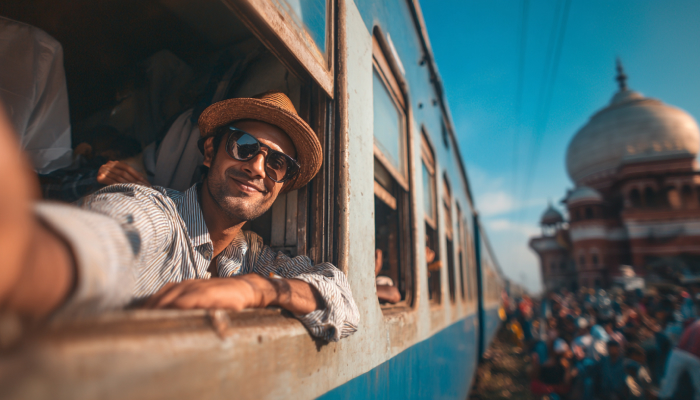
This country has a way of hitting all your sense at once: the scent of spices on the streets, temples older than time, spiritual experiences that leave you in awe, and the hospitality of people who make you feel right at home. However, with such a vast and diverse country, it’s natural to wonder: where do you even begin?
Planning Your First India Itinerary
This guide has all the answers. No matter if you’ve already got your first India itinerary or just daydreaming about it, here are top places to visit in India that will give you a little bit of everything: culture, sights, beauty, and energy.
Best Time to Visit India for First-Time Travellers
Let’s make it simple: one-season-fits all is not about India. Because of its size the weather may change wildly depending on where you’re headed.
In general, North and Central India, including Delhi, Rajasthan, and Agra, October to March is your best bet. Cool, dry weather, minimal rainfall. This time is perfect for exploring cities, palaces, and outdoor sights.
On the other hand, South India (like Kerala, Tamil Nadu, and Goa) tends to stay warmer and more humid year-round.
Festivals and Trip Duration
And if you’re willing to catch the vibrant vibes of Indian festivals, time your trip for Diwali (October & November) or Holi (March). These can be easily named two of the most joyful (and photogenic) events in the world.
Thinking how long to plan a trip for? For first-time travellers, two to three weeks is a great starting point. It gives you enough time to explore without feeling rushed – while still leaving you wanting more.
Top 10 Places to Visit in India
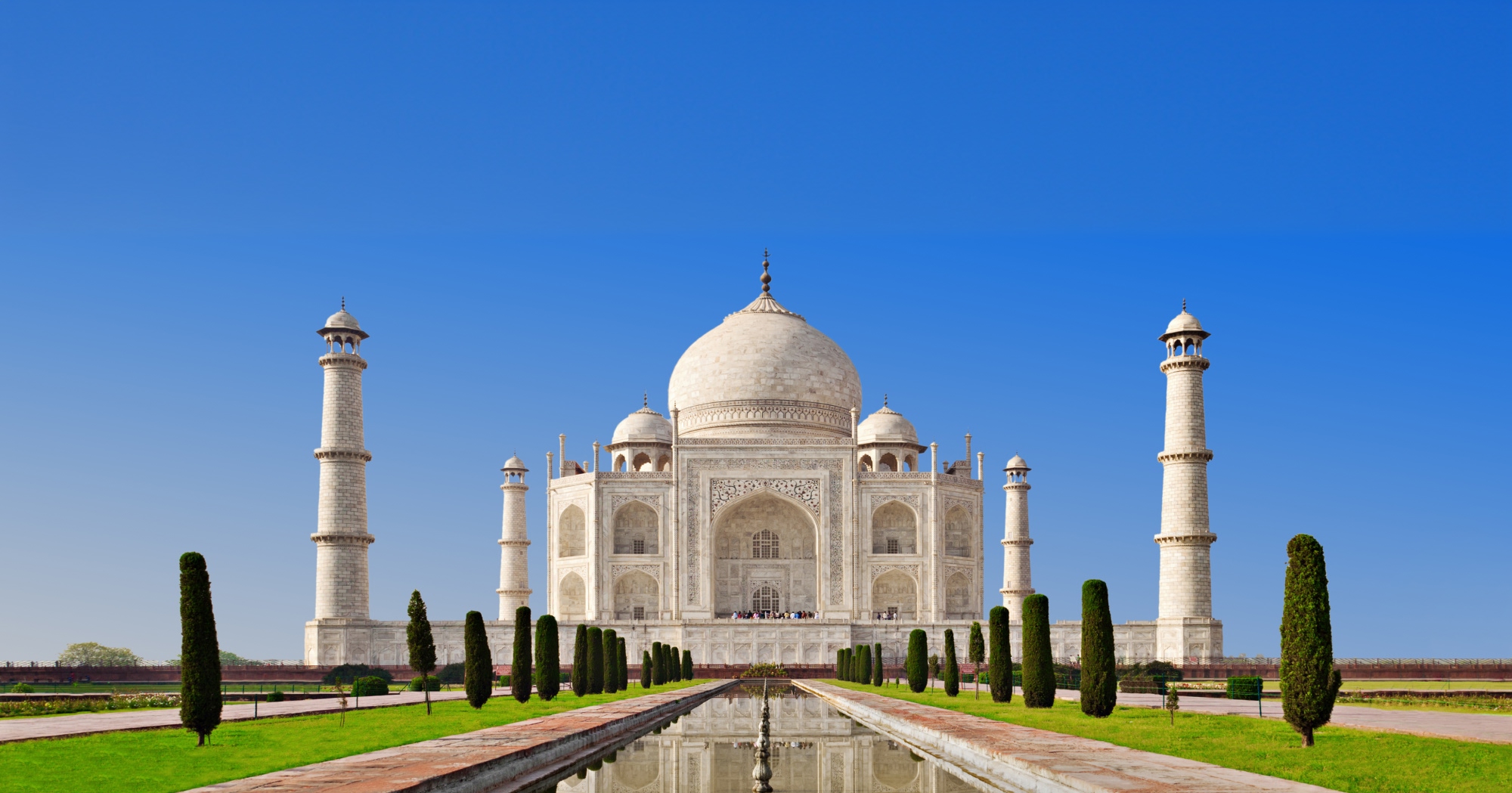
Yes, it’s on every list. Yes, it’s there for a reason. This white marble wonder isn’t just a UNESCO site – it’s a love story carved in stone.
Agra is about a 3-4 hour drive or train ride from Delhi or just under two hours if you take the fast Gatimaan Express. One full day is enough to see the Taj Mahal, Agra Fort, and catch the sunset view from Mehtab Bagh, but staying overnight lets you enjoy both sunrise and sunset at a relaxed pace.
Early morning is the best time to visit – the crowds are smaller, and the golden light makes the Taj glow. For a quiet moment away from the main entrance, take a walk along the Yamuna River and enjoy the view from a different angle.
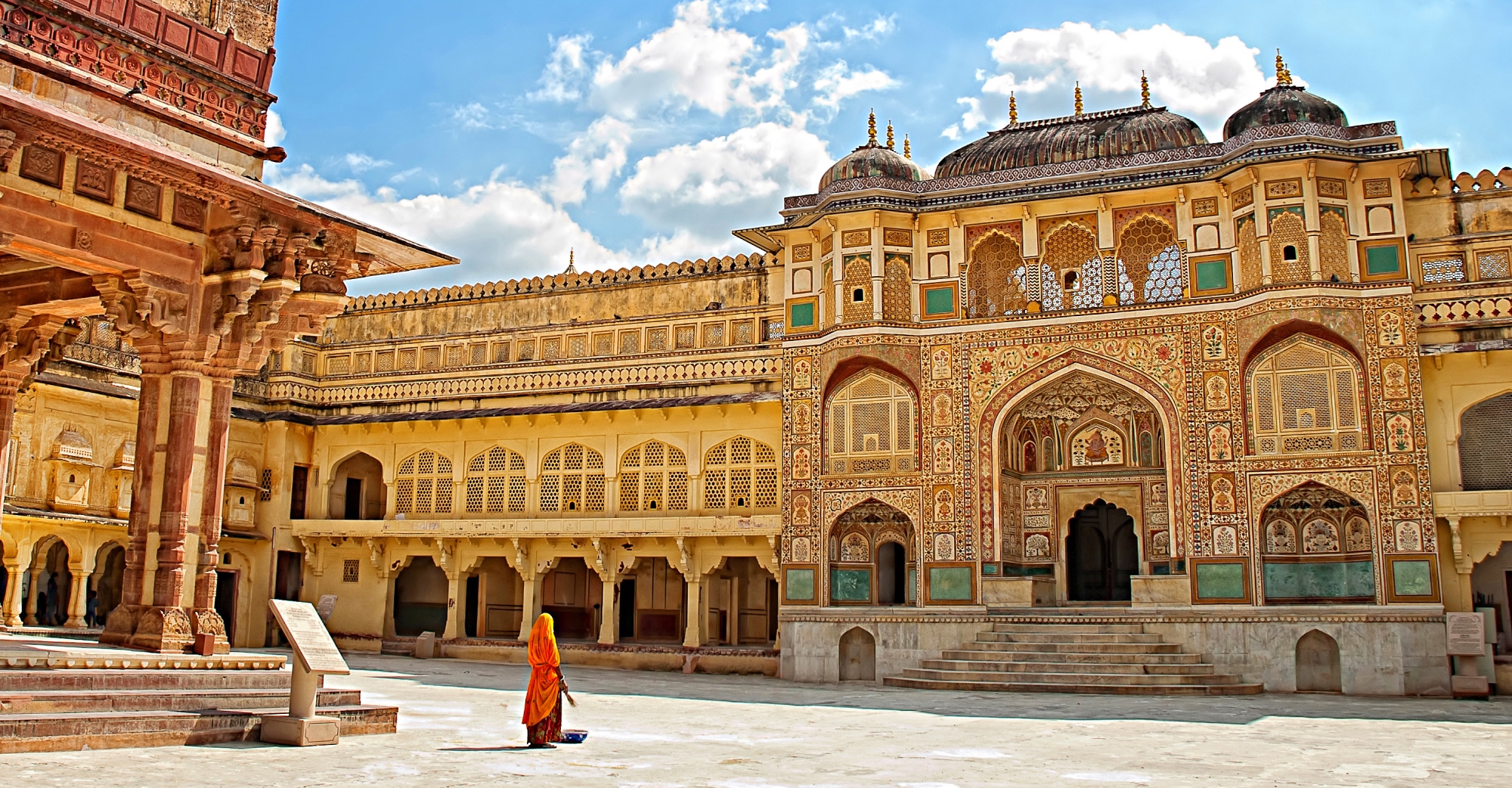
If you’re fan of Wes Anderson aesthetic, Jaipur will feel like stepping into one of his pastel-colored films.
Founded in 1727 by Maharaja Sawai Jai Singh II, Jaipur was India’s first planned city, with wide streets and organized blocks following ancient Hindu architectural principles. Its famous pink hue came later, in 1876, to welcome the Prince of Wales, earning the nickname The Pink City.
Today, the royal charm lives on everywhere in the city. Bright palaces, rooftop cafés, and vibrant markets make it a feast for the senses. Don’t miss the Amber Fort, the Hawa Mahal, and a good bargain at the bazaars.
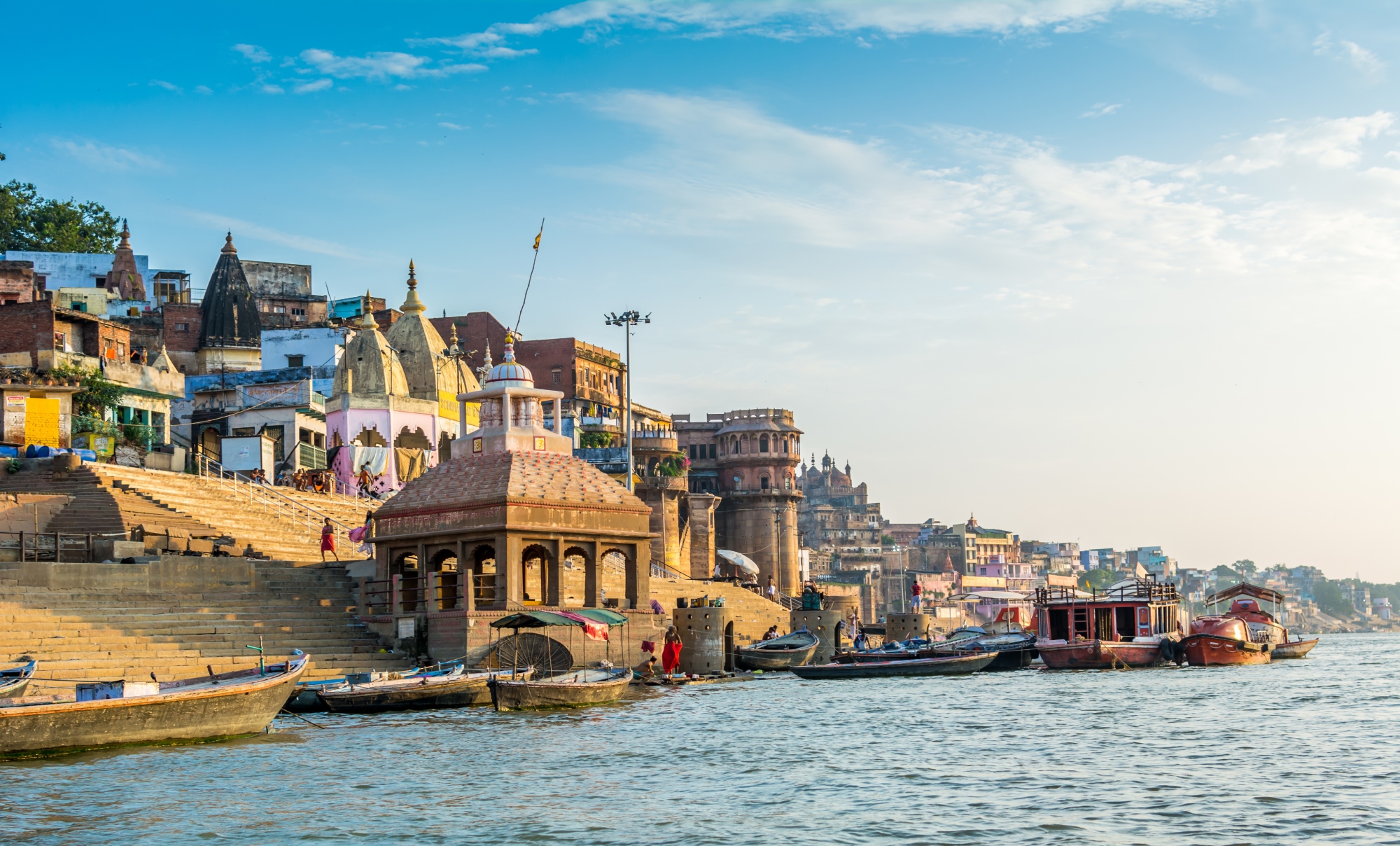
Varanasi is one of the world’s oldest living cities, and you can feel that history in every corner. Set along the banks of the Ganges, it’s considered the spiritual heart of India.
Mornings begin with boat rides on the river, where locals and pilgrims bathe in sacred waters. In the evenings, the Ganga Aarti happens – a fire ceremony with chanting, lamps, and music at Dashashwamedh Ghat. In between, the narrow lanes are filled with temples, markets, and small shops selling everything from silk to sweets.
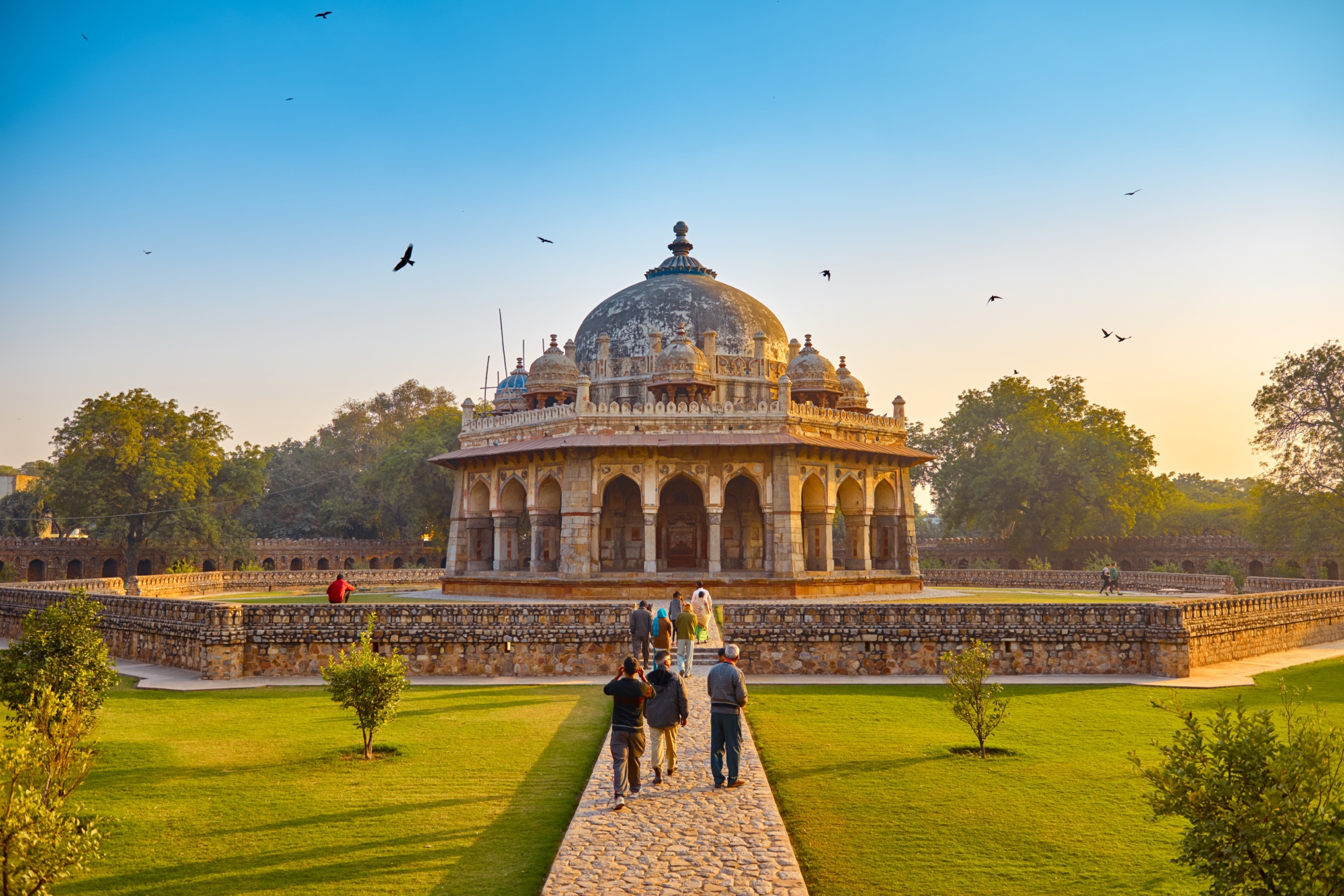
Delhi feels like two cities rolled in one. Old Delhi is a maze of lanes, temples, and street food stalls, while New Delhi is spacious, green, and full of grand colonial architecture. Together, they form a city that never sleeps and always has something going on.
Ride a rickshaw through Chandni Chowk, explore spices offered at local markets, and grab a plate of butter chicken or spicy chaat when you need a break.
For history, see the Red Fort, Jama Masjid, and Humayun’s Tomb, then move to New Delhi for India Gate, the Lotus Temple, and Qutub Minar. If time allows head over to Lodhi Gardens or Hauz Khas Village for cafés and art.
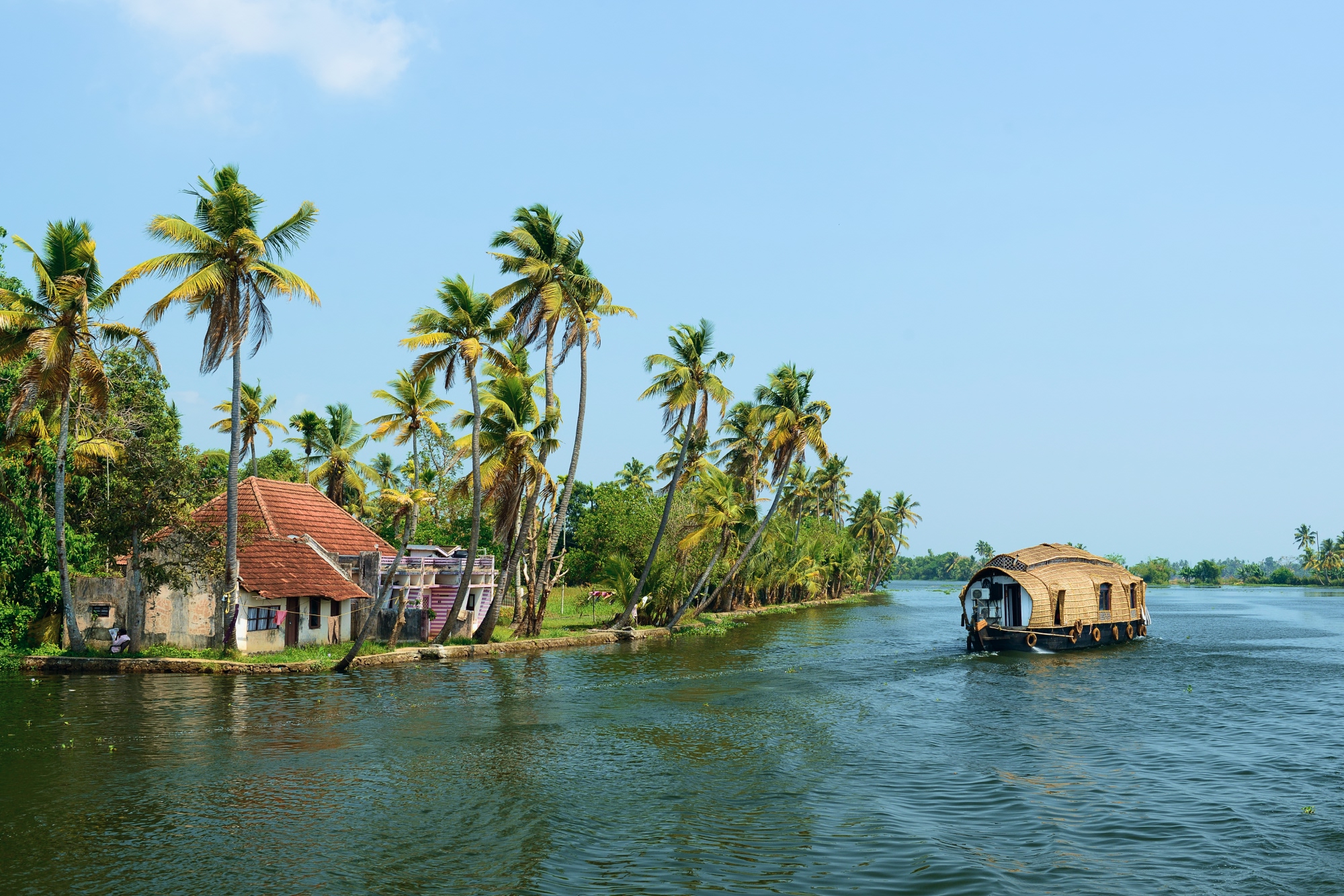
Kerala is the place to slow down and enjoy a greener side of India. The backwaters of Alleppey or Kumarakom offer traditional houseboat rides, where you can watch village life along the canals. Munnar is known for its tea plantations, and Thekkady has spice gardens and boat rides on Periyar Lake. In Kochi, you’ll find old colonial streets, art cafés, and traditional Kathakali dance performances.
Most visitors arrive via Cochin International Airport. From there, Alleppey and Munnar are about four to five hours away by car. Around four to six days is enough to see Kerala’s main highlights.
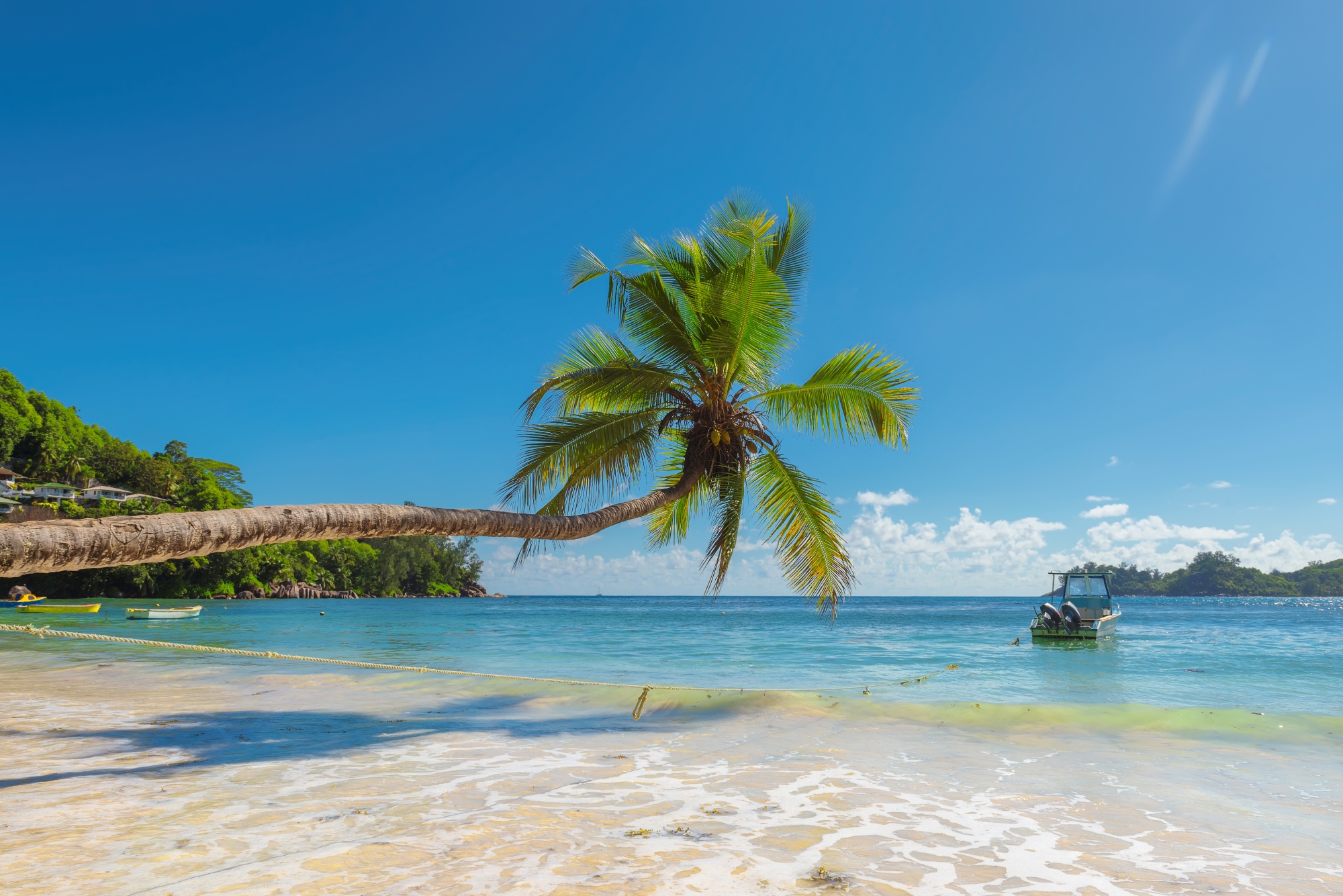
Goa is for anyone who loves the beach life – lazy mornings, music in the evenings, and that carefree energy in the air.
Of course, it’s famous for its parties, but there’s a softer side too: cozy cafés, yoga by the sea, old Portuguese forts with sunset views, and endless stretches of golden beaches.
The sunny, dry season from November to February is the best time to visit, with perfect swimming weather and plenty happening around town. The monsoon months (June to September) are quieter and greener, great if you’d rather skip all the rush.
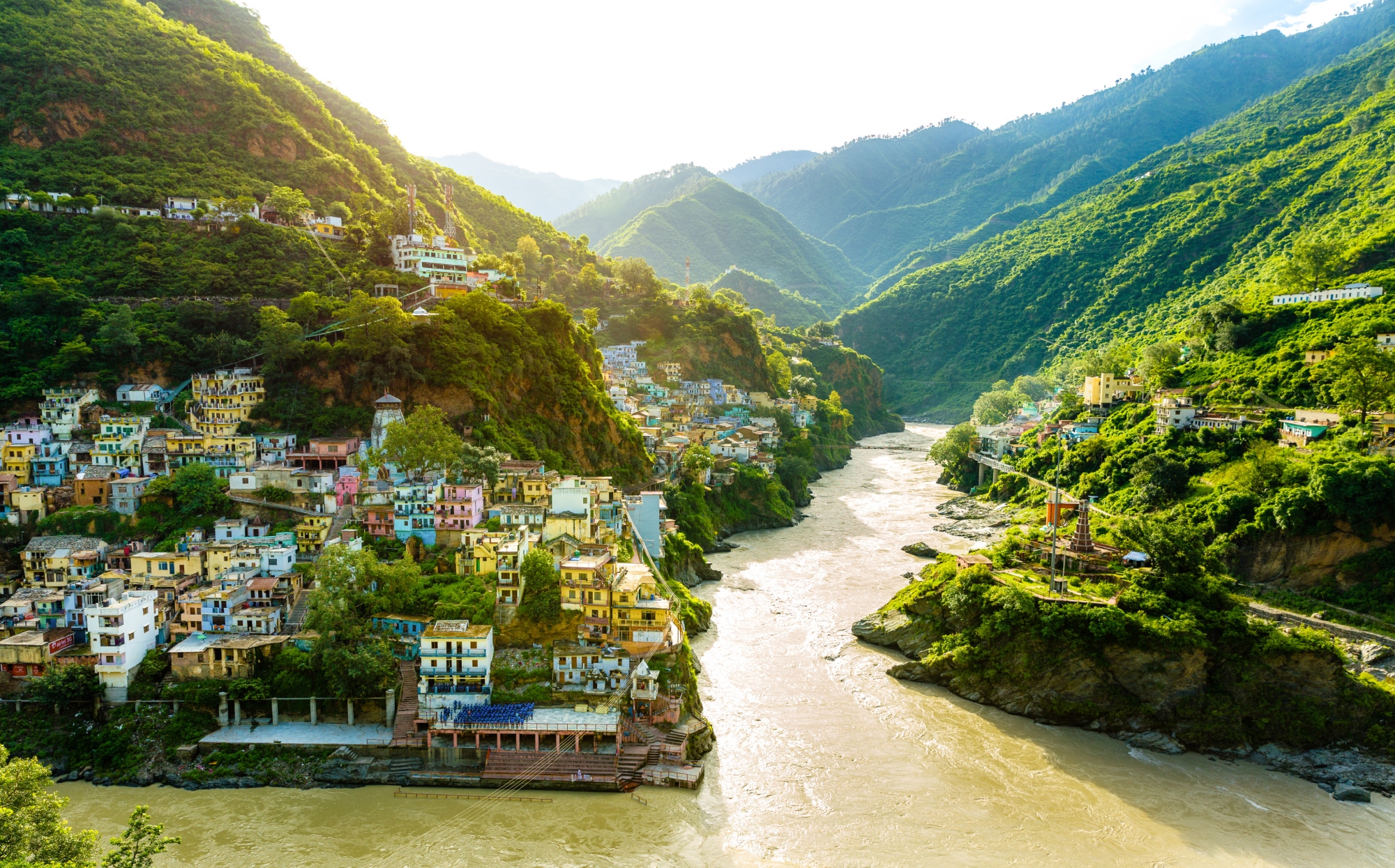
Located along the banks of the Ganges and surrounded by the Himalayas, Rishikesh is often called the world’s yoga capital, but it’s just as well-known for its adventure activities.
Travelers come here for yoga in riverside ashrams, to watch the evening Ganga Aarti ceremony by the water, or to cross the Laxman Jhula bridge with views of the mountains.
If you’re after more action, you can go white-water rafting on the Ganges, bungee jump over a valley, or hike through nearby forest trails.
The closest airport is in Dehradun, about an hour’s drive away. Spending two to three days is ideal, enough time to experience Rishikesh’s energy that once inspired the Beatles themselves.
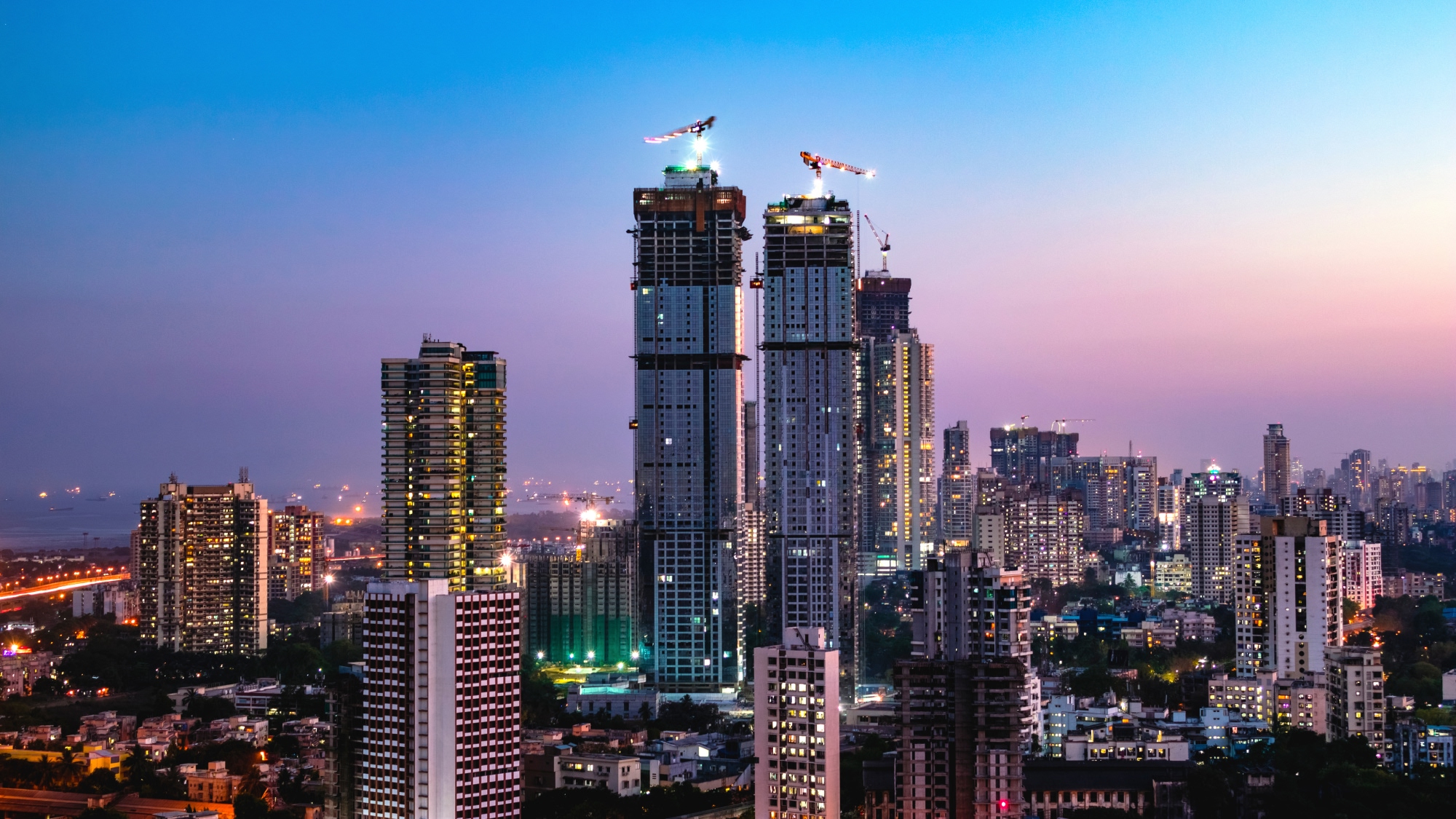
Fast, fierce, and full of flavour – that’s Mumbai. It’s India’s financial hub, the centre of Bollywood, and a city that never really slows down.
The Gateway of India is one of its best-known landmarks, with ferries running to Elephanta Island and its ancient cave temples.
For a quieter side of the city, visit Sanjay Gandhi National Park and the Kanheri Caves carved into its hills. In the evenings, join locals on Marine Drive and Chowpatty Beach to watch the sunset and enjoy vada pav, Mumbai’s most popular street snack.
The city has two main areas for travellers: Colaba in the south for heritage sites and cafés, and Bandra for nightlife and trendy restaurants. Two or three days are usually enough to get a real taste of the city.
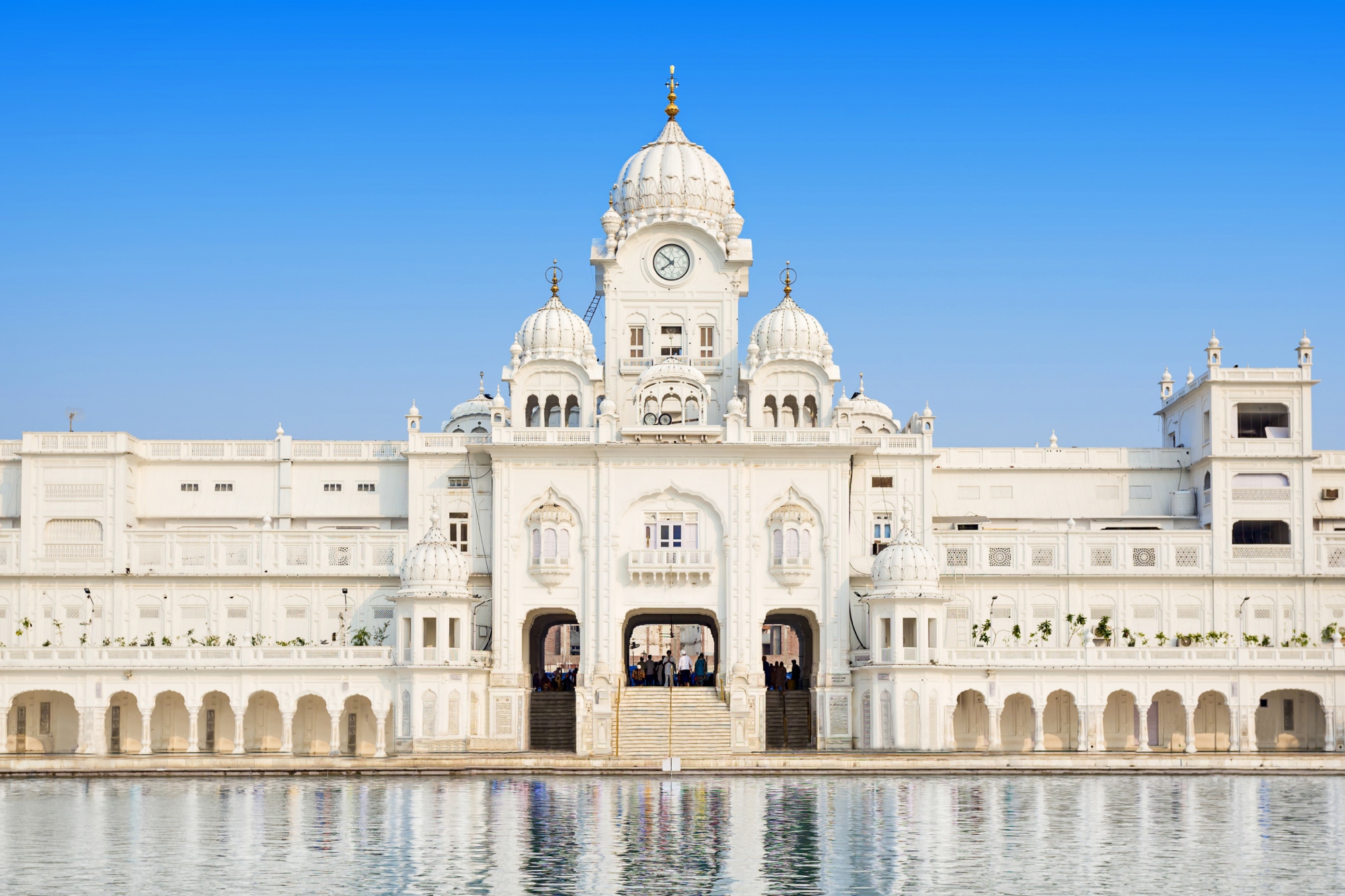
Amritsar is best known for the Golden Temple, the spiritual centre of Sikhism and one of India’s most visited religious sites. The temple welcomes people of all faiths and is known for its deep sense of community.
Its langar, or free community kitchen, serves vegetarian meals to thousands of people every day, with visitors and locals sitting side by side. Everyone is asked to remove their shoes, cover their heads, shoulders, and legs and avoid bringing meat, alcohol, or tobacco inside or near the temple grounds.
Outside the temple, the city has a strong food culture, with amritsari kulcha, chole, and lassi being local favourites.
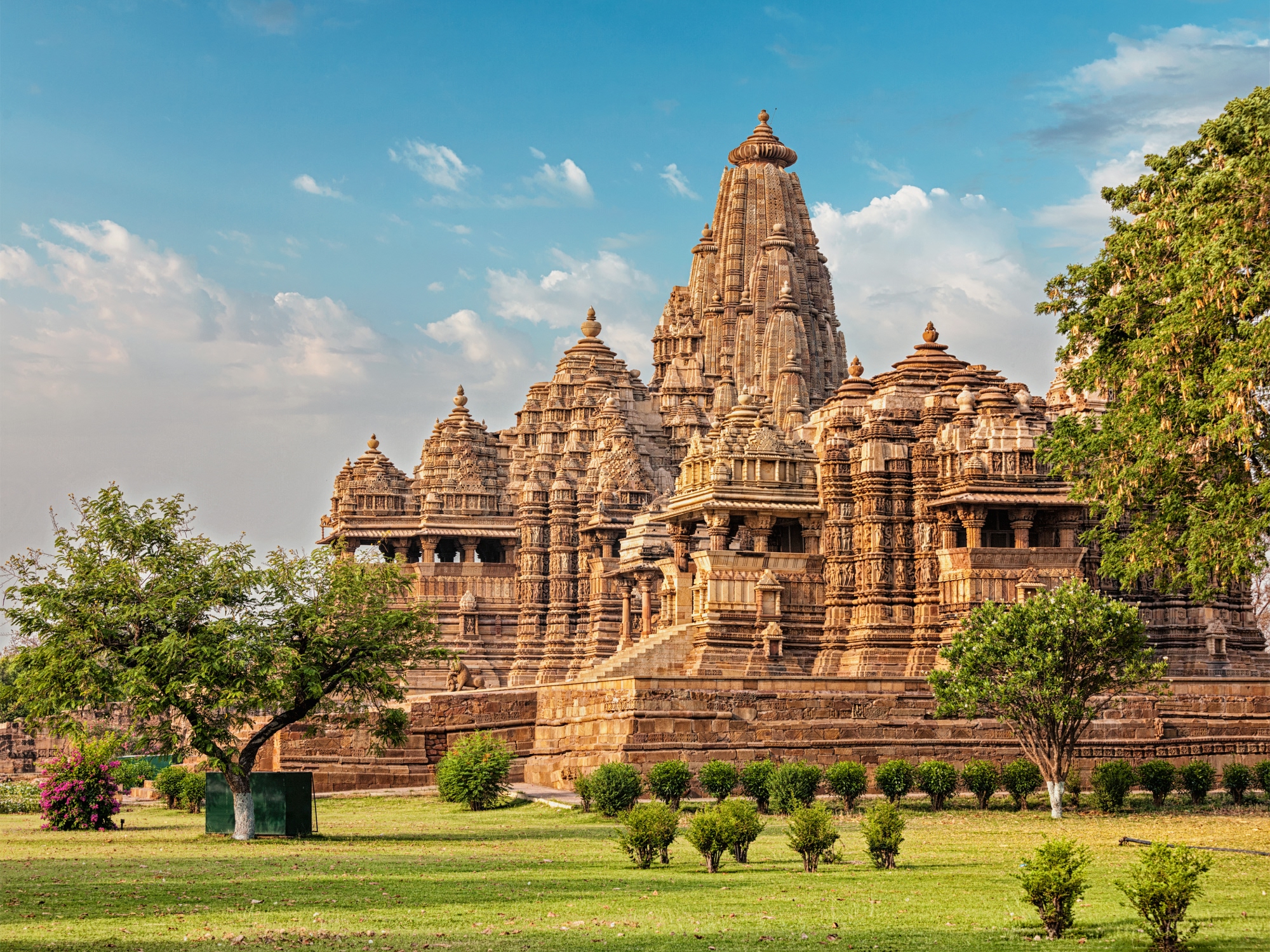
Khajuraho is famous for its group of ancient temples covered in intricate carvings – some spiritual, some playful, all very detailed. Built between the 9th and 12th centuries, these UNESCO-listed temples show scenes of everyday life, mythology, and art.
The town is small and easy to explore on foot. Most travellers arrive by flight to Khajuraho Airport or by train from Delhi, Varanasi, or Jhansi. One to two days is enough to see the western, eastern, and southern temple groups and enjoy the calm, rural atmosphere that surrounds them.
Tips for First-Time Visitors to India
What’s the best way to get around?
Trains are iconic (and affordable), but domestic flights save time. In cities, apps like Uber or the local alternative Ola are the safest and most convenient way to get around.
For women travellers, it’s best to use registered taxis or ride-hailing apps instead of hailing cabs on the street, and to share your trip details with someone when traveling at night.
Is India safe for solo travellers?
India can be a rewarding place to explore alone, particularly in well-visited regions. Still, crowded spots do attract pickpockets, and small scams aren’t uncommon.
Watch out for inflated rickshaw fares, fake guides, or offers of “free” goods, and keep valuables close.
Females traveling solo should take a bit of extra care. It’s best to dress modestly, avoid poorly lit neighbourhoods, remote beaches, and empty train stations at late hours. In most large cities, central areas like Connaught Place in Delhi, Fort and Bandra in Mumbai, or Fort Kochi in Kerala feel comfortable for women to explore.
Doing a little research (local customs, dress norms, safe regions, etc.) before going places is always a good idea.
For official safety updates and precautions, visit India Travel Advisory page.
What should I pack?
Pack light, breathable clothes for the heat, comfortable shoes for walking, and a universal power adapter. Hand sanitizer and a small first-aid kit with meds you rely on are always a good idea.
If you plan to visit temples or religious sites, bring something to cover your shoulders and knees, as shorts, short skirts, and sleeveless tops aren’t allowed.
Ready to Explore India?
India isn’t just a place you visit; it’s a place that stays with you. It has everything a traveller may seek – from ancient cities and jungle retreats to beach towns and desert forts.
Found this guide helpful? Save it, share it, and start building your first India itinerary.
For visa requirements information, check out the policy here.
For more travel tips and guides, visit the India official tourism site.
Want to go deeper?
See all of India’s UNESCO-listed sites on this page.
And if you’re craving more travel inspiration, don’t miss our other guides for unforgettable destinations.